Elastomer · Thermoplastic elastomer
AdvancedTPE / TPC
TPC · Thermoplastic Copolyester · Hytrel
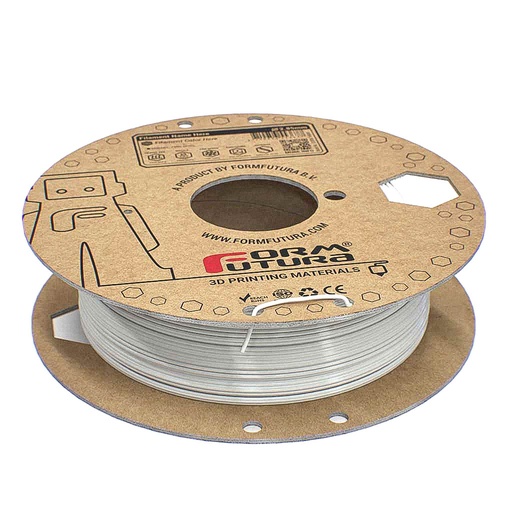
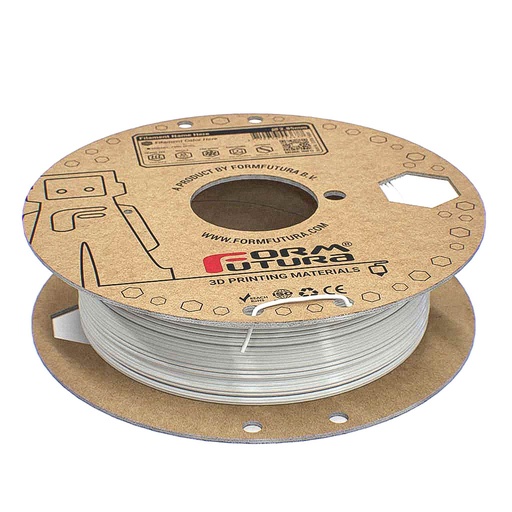
Soft, rubber-like flexibles for the bendiest parts — even more flexible than TPU, and trickier to print.
Print temperatures
Nozzle 210–240 °C Bed 30–60 °C
“TPE” on a spool usually means a softer, more rubbery flexible than TPU. TPC (Hytrel-type) trades some softness for higher heat resistance and better chemical and UV durability.
These are niche flexibles for when TPU isn't soft enough, or not heat- and chemical-resistant enough.
Strengths & trade-offs
- Very high flexibility (softer than typical TPU)
- Good chemical resistance
- TPC adds heat resistance and durability
- Rubber-like feel
- Good fatigue resistance
- Very difficult to print — soft grades buckle and jam
- Direct drive essentially required
- Hygroscopic
- Slow speeds
- Inconsistent across brands (loose category)
Best for
Very soft gaskets and sealsRubber-like gripsFlexible bellowsDamping partsHigher-temperature flexibles (TPC)
Did you know
- “TPE” is an umbrella — TPU, TPC, and styrenic flexibles are all TPEs — so a “TPE” spool's chemistry depends on the brand.
- DuPont's Hytrel flexes like rubber but tolerates far higher temperatures than ordinary flexibles.